


Welcome to East Riding Radio
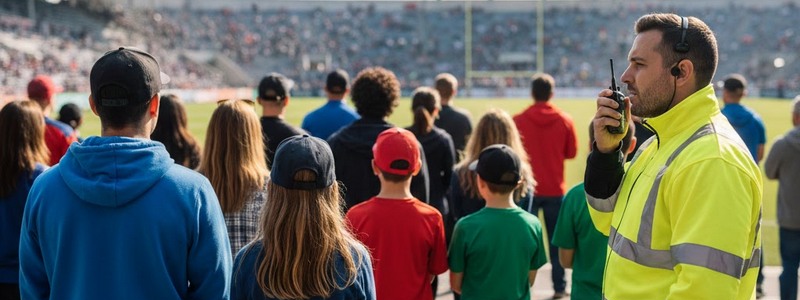
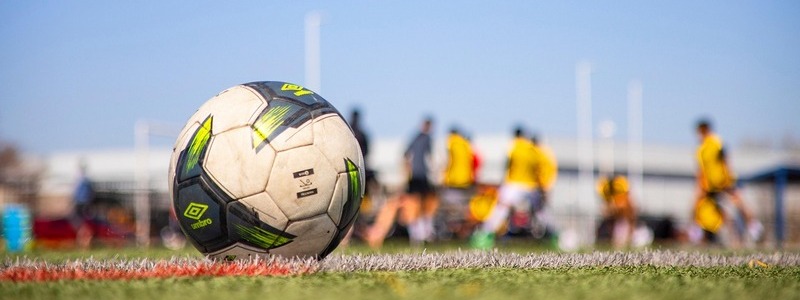
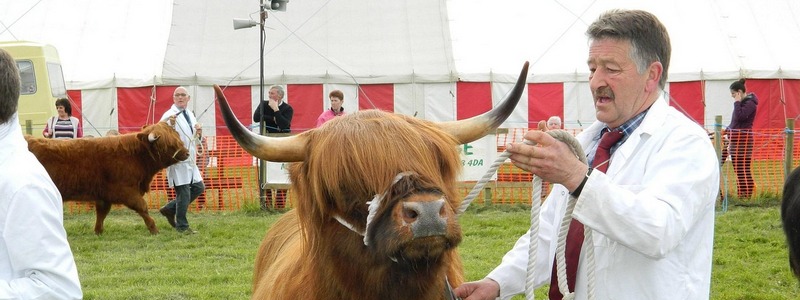
This is not just another amateur radio club (callsign G1ERR). Our experienced team members can provide reliable communications support at all sorts of community events: sports matches, organised walks, fund-raisers and village shows.
Our Mission
As a not-for-profit organisation, East Riding Radio’s mission is to deliver dependable, flexible, and well-coordinated communications support wherever it is needed in the community. Modern events – whether small village gatherings or larger charity fundraisers – often rely on effective radio links to maintain safety, situational awareness, and smooth organisation. Our team is committed to providing that capability using properly licensed equipment, trained operators, and a professional yet friendly approach.
We aim to promote good practice in radio operations by combining our Ofcom-authorised private channels with amateur radio skills developed across VHF, UHF and digital modes. Reliability is at the heart of what we do: from establishing temporary networks on event sites to supporting marshals, safety officers and organisers with clear, continuous communication. Every deployment not only helps the community but also strengthens the team’s coordination, experience and technical ability.
Above all, our mission is rooted in service, learning, and community engagement. We encourage members to develop their radio expertise, take part in training exercises, and enjoy the social side of the hobby through regular meet-ups and practical activities. As a growing, non-profit organisation, East Riding Radio remains committed to supporting local events, promoting the value of radio communication, and providing a welcoming environment for anyone who wants to get involved – whether licensed operators or newcomers discovering the exciting world of radio for the first time.
East Riding Radio News
G1ERR
LATEST NEWS: Ofcom has kindly allocated East Riding Radio a personalised callsign: G1ERR. This can be used by licensed operators during on-air special events such as 145-Alive.
We have also been granted a special licence that allows us to operate our handheld radios in secure digital modes with excellent coverage. This licence also dramatically reduces the chances of any of our channels suffering interference from other users of the band.
About Amateur Radio
Here is a brief introduction to the diverse world of amateur radio.
Amateur Radio (often called 'ham radio' – to the annoyance of almost every licensed amateur) is a wide-ranging technical hobby that allows people to communicate using radio equipment across the street, across the country, or even across the world. Unlike CB or PMR licence-free radio, amateur radio requires an Ofcom licence and gives operators access to a wide range of frequencies and modes. These include voice communication, Morse code, digital data, satellite links, and even bouncing signals off the Moon. For more than a century, amateur radio has combined experimentation, communication and community service, offering a unique mix of technical learning and personal connection.
Getting started in amateur radio is easier today than ever before. Many people begin by visiting a local club or joining organisations such as East Riding Radio (callsign G1ERR), where newcomers can see equipment in action and get a feel for the hobby. Clubs offer guidance, training sessions, and hands-on support with radios and antennas. To operate on the air, beginners take the Foundation Licence, a basic qualifying exam that covers radio safety, simple electronics and licence rules. Once passed, the new operator receives a callsign and can start transmitting legally.
From the Foundation level, amateurs can progress to the Intermediate Licence, which introduces more electronics knowledge and practical skills. This licence level gives access to higher power levels and broader operating privileges. Training is usually available through clubs or online, and many operators enjoy building their first projects – such as small antennas or simple radio kits – during their Intermediate studies.
The highest qualification is the Full Licence, which provides the maximum privileges allowed under Ofcom regulations, including higher power, international operation and access to all UK amateur bands. The Full Licence is ideal for those who want to deepen their technical understanding, explore long-distance communication, or participate in emergency communications groups. Learning materials, mock exams, and mentoring from experienced operators all help to make the journey achievable for enthusiasts of any age.
Amateur radio is much more than just technical knowledge – it’s a social hobby that brings people together. Regular nets, meet-ups, field days, contests and training events help form long friendships and support networks that last for years. Many amateurs enjoy portable operating, building equipment together, or taking part in national events such as 145-Alive or the UKAC contests. The shared learning and camaraderie are a big part of what keeps the hobby vibrant.
Whether you're interested in electronics, communication, community service, or simply connecting with others, amateur radio offers a rich and welcoming environment. With accessible training, supportive clubs, and opportunities for lifelong learning, it remains one of the most rewarding technical hobbies in the UK today.
EVENTS
The East Riding Radio team is proud to be providing private
communications support at the following events:
- December 2025 TBA
- January 2026 TBA
- February 2026 TBA
- March 2026 TBA
- April 2026 TBA
Please drop by our stand and find out what we do.
Please get in touch to discuss how we might help with reliable communications at your next event.
TESTIMONIALS
The East Riding Radio team is delighted to receive feedback from all successful events.
Coming soon...
CONTACT
Please get in touch to find out more about our aims or just to arrange a chat with one of the team.

East Riding of Yorkshire, UK.